

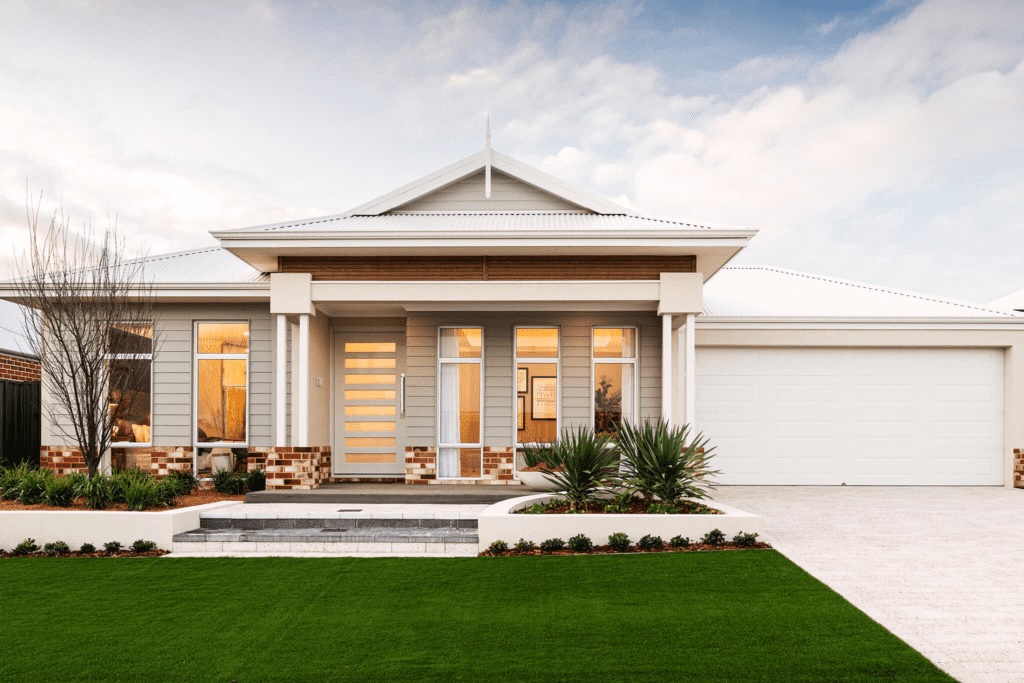
The concept of home is much more than a physical structure; it represents comfort, security, and a reflection of personal identity. For many, the term “home” evokes feelings of safety, warmth, and belonging. The significance of a home extends beyond its walls, incorporating aspects like design, functionality, emotional impact, and lifestyle integration. Understanding the elements that make a house a true home is essential for anyone looking to create a living space that is both functional and nurturing.
Understanding the Essence of a Home
A home serves as a sanctuary from the outside world. Its purpose transcends mere shelter; it provides a space for rest, creativity, connection, and personal growth. Several key components define a home:
- Emotional Connection: The sense of comfort and belonging arises from familiarity, memories, and personalization.
- Functionality: A home must accommodate the daily activities of its inhabitants efficiently.
- Aesthetic Appeal: Design and décor reflect individual taste, cultural influence, and personal values.
- Safety and Security: Structural integrity, reliable locks, and environmental safety are crucial.
By harmonizing these components, homeowners can create a space that supports both mental and physical well-being.
Key Elements of an Effective Home Design
Layout and Space Optimization
The layout of a home directly impacts its livability. Open floor plans have grown in popularity because they foster social interaction and allow for flexible use of space. In contrast, segmented layouts can provide privacy and defined areas for specific activities.
- Open-Plan Living: Ideal for social households, allowing seamless flow between the kitchen, dining, and living areas.
- Zoned Spaces: Bedrooms, home offices, and study areas require separation to enhance focus and rest.
- Storage Solutions: Built-in cabinets, closets, and multipurpose furniture reduce clutter and maximize functionality.
Thoughtful planning ensures each area serves its purpose without compromising comfort or accessibility.
Interior Design and Décor
Interior design is a reflection of personality and lifestyle. While aesthetics are subjective, several universal principles contribute to a harmonious home environment:
- Color Psychology: Neutral tones create a calming environment, while accent colors introduce energy and interest.
- Furniture Selection: Ergonomic, multi-functional furniture enhances both comfort and utility.
- Lighting: Combining natural light with layered artificial lighting improves mood, productivity, and visual appeal.
- Textures and Materials: Wood, fabric, metal, and stone textures contribute to sensory richness and warmth.
The balance between style and comfort ensures a home feels both inviting and practical.
Sustainability and Energy Efficiency
Modern homeowners increasingly prioritize sustainability. Energy-efficient designs reduce environmental impact and utility costs while improving living conditions.
- Insulation and Ventilation: Proper insulation minimizes heat loss, while ventilation ensures fresh air circulation.
- Energy-Efficient Appliances: Smart thermostats, LED lighting, and high-efficiency HVAC systems reduce energy consumption.
- Water Conservation: Low-flow faucets, dual-flush toilets, and rainwater harvesting systems support sustainable living.
- Eco-Friendly Materials: Bamboo flooring, recycled metals, and low-VOC paints reduce environmental harm and improve indoor air quality.
Incorporating sustainable practices creates a home that is environmentally responsible and cost-effective over time.
Smart Home Integration
Technology enhances the functionality, comfort, and security of modern homes. Smart devices can automate everyday tasks and provide peace of mind.
- Smart Security Systems: Cameras, motion detectors, and smart locks enhance safety.
- Home Automation: Lighting, climate control, and entertainment systems can be controlled remotely or programmed for efficiency.
- Energy Monitoring: Smart meters provide real-time insights into energy usage, helping homeowners optimize consumption.
- Voice-Activated Assistants: Devices like smart speakers simplify routine tasks and integrate household operations.
Smart home technology seamlessly merges convenience with efficiency, supporting modern lifestyles.
Creating a Home for Well-Being
The physical and emotional health of residents is directly influenced by the home environment. Designing spaces with wellness in mind encourages a balanced and fulfilling lifestyle.
Sleep and Rest Areas
Bedrooms are crucial for restorative sleep. Elements that enhance rest include:
- Comfortable mattresses and bedding tailored to personal needs
- Dark, noise-controlled environments for undisturbed sleep
- Minimalist décor to reduce visual stress
Mental and Emotional Well-Being
Living spaces can significantly impact mood and stress levels. Homes designed with mental wellness in mind include:
- Quiet Corners: Dedicated spaces for reading, meditation, or reflection
- Natural Elements: Indoor plants, natural light, and water features improve mood and air quality
- Art and Personal Expression: Displaying personal artwork or meaningful décor fosters positive emotional connections
Physical Activity and Movement
Incorporating movement-friendly features encourages a healthy lifestyle within the home:
- Home gyms or fitness corners
- Spacious pathways for mobility
- Staircases designed with ergonomic safety
Outdoor Spaces and Home Integration
The exterior environment is an extension of a home and can greatly enhance quality of life.
- Gardens and Greenery: Provide relaxation, improve air quality, and offer recreational space
- Patios and Decks: Create spaces for social interaction, dining, and leisure
- Functional Landscaping: Integrates aesthetic appeal with usability, including pathways, lighting, and drainage
A well-designed outdoor area promotes physical activity, social engagement, and connection with nature.
Home Maintenance and Longevity
Maintaining a home is essential for safety, functionality, and property value. Regular upkeep prevents long-term damage and ensures the home remains a comfortable sanctuary.
- Routine Inspections: Roofs, plumbing, and electrical systems should be checked regularly
- Cleaning and Organization: Consistent cleaning routines enhance hygiene and mental clarity
- Repairs and Upgrades: Timely maintenance prevents deterioration and improves efficiency
- Seasonal Adjustments: Weather-specific preparations, such as insulation checks or gutter cleaning, protect the home environment
Investing in maintenance ensures the home remains safe, attractive, and functional over the years.
Personalization and Family Dynamics
A home is a reflection of its occupants’ lifestyle, values, and relationships. Personalization creates a sense of ownership and belonging:
- Family-Centered Spaces: Playrooms, family rooms, and dining areas foster connection
- Hobby and Creativity Zones: Art studios, music rooms, or workshops support personal development
- Memory Spaces: Photo walls, memory corners, and heirloom displays strengthen emotional bonds
Homes designed with personal and familial needs in mind cultivate happiness and satisfaction.
Financial Considerations in Home Design
Creating and maintaining a home requires financial planning. Strategic investment ensures comfort and value without unnecessary expenditure:
- Budgeting: Prioritize essential areas like safety, energy efficiency, and comfort
- Investment in Quality: Durable materials and appliances reduce long-term costs
- Cost-Efficient Upgrades: Focus on improvements with high return on investment, such as insulation, smart technology, and curb appeal
- Resale Value: Design choices that appeal to broad preferences enhance future property value
Financially informed decisions support both current comfort and long-term asset growth.
FAQ Section
1. How can I make my home feel more comfortable without major renovations?
Small changes like reorganizing furniture for better flow, adding cozy textiles, enhancing lighting, and introducing plants can significantly improve comfort and ambiance.
2. What are the most energy-efficient features I can add to my home?
Consider LED lighting, smart thermostats, energy-efficient appliances, proper insulation, and low-flow plumbing fixtures to reduce consumption and cost.
3. How do I balance aesthetics and functionality in a home?
Prioritize practical layouts, ergonomic furniture, and storage solutions while integrating personal décor choices that reflect your style and personality.
4. What is the ideal way to incorporate outdoor space into home living?
Create a seamless transition from indoor to outdoor spaces with patios, decks, and landscaping. Include functional elements for relaxation, dining, and recreation.
5. How can I personalize my home to reflect my lifestyle?
Incorporate family spaces, hobby zones, meaningful décor, and customizable furniture arrangements that align with daily routines and personal interests.
6. Are smart home devices worth investing in?
Smart home devices enhance security, energy efficiency, and convenience. They are particularly valuable when integrated thoughtfully with your lifestyle and home layout.
7. How do I ensure my home supports mental well-being?
Design with natural light, quiet spaces, organized layouts, and meaningful personal touches. Incorporate greenery, calming colors, and areas for relaxation or hobbies.
Creating a home is a continuous process of balancing aesthetics, functionality, and personal needs. When carefully planned, a home not only serves as a shelter but becomes a sanctuary that fosters well-being, nurtures relationships, and supports a sustainable lifestyle.
