

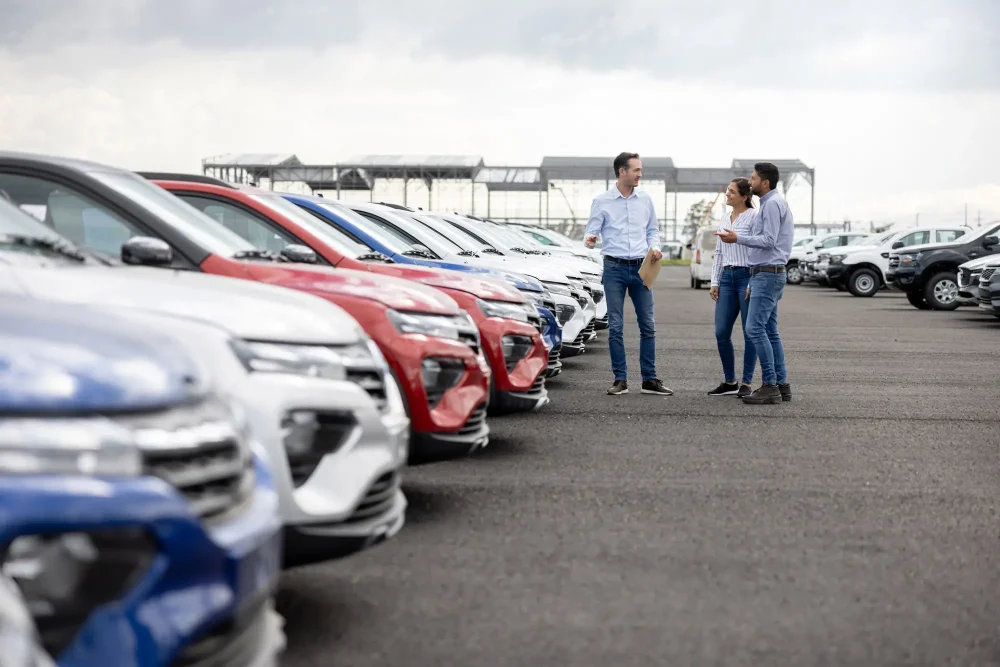
A dealership is more than just a retail space for vehicles; it is a complex business model that bridges manufacturers and consumers while providing essential services such as financing, maintenance, and trade-in options. In this comprehensive guide, we will explore the intricacies of dealerships, their operational structures, strategies for success, and practical advice for consumers seeking the best buying experience.
What is a Dealership?
A dealership is a licensed business authorized to sell and service vehicles, ranging from cars and trucks to motorcycles and specialty vehicles. Unlike independent sellers, dealerships often operate under formal agreements with manufacturers, ensuring access to new models, official parts, and training programs. These agreements, known as franchise agreements, outline the rights and obligations of the dealer in representing a brand.
Types of Dealerships
Dealerships vary depending on the type of vehicles they sell and the services they provide:
- Franchise Dealerships: Authorized by manufacturers to sell specific brands. They receive inventory directly from manufacturers and often have exclusive rights in a geographic region.
- Independent Dealerships: Not tied to a particular manufacturer, these dealerships sell a variety of brands, often focusing on used or pre-owned vehicles.
- Specialty Dealerships: Focused on luxury, high-performance, or exotic vehicles, offering specialized knowledge and high-end service experiences.
- Online or Digital Dealerships: Emerging in the digital era, these dealerships operate primarily online, streamlining the buying process through virtual tours, financing, and home delivery.
Each type of dealership serves a distinct market, catering to different consumer needs and preferences.
How Dealerships Operate
The operation of a dealership is multifaceted, combining sales, financing, marketing, and service operations.
Inventory Management
Dealerships must maintain a strategic balance of inventory to meet demand without overstocking. This includes:
- Analyzing sales trends to forecast vehicle demand
- Coordinating deliveries from manufacturers
- Managing used vehicle trade-ins and resale options
Effective inventory management ensures that popular models are available while minimizing financial losses from slow-moving stock.
Sales and Marketing
Sales teams in dealerships play a crucial role in guiding consumers through vehicle selection. Strategies include:
- Personalized Consultation: Matching buyers with vehicles based on lifestyle and preferences
- Promotions and Incentives: Manufacturer-backed discounts, seasonal offers, and loyalty programs
- Digital Marketing: Social media campaigns, search engine optimization, and targeted online ads to attract customers
Sales performance directly impacts a dealership’s profitability, making training and consumer engagement essential.
Financing and Insurance
Dealerships often provide financing solutions and insurance products to facilitate purchases. Services include:
- Loans and Leasing Options: Flexible terms designed to fit consumer budgets
- Extended Warranties: Coverage beyond the manufacturer’s warranty
- Insurance Plans: Simplified access to vehicle insurance, including gap coverage
These offerings make dealerships one-stop solutions for consumers, enhancing convenience and overall satisfaction.
Maintenance and Service Departments
Service departments are integral to a dealership’s business model. They generate revenue through:
- Routine maintenance such as oil changes and tire rotations
- Major repairs and part replacements
- Vehicle customization and upgrades
By providing these services, dealerships strengthen brand loyalty, encourage repeat business, and maintain vehicle performance standards.
Key Factors That Drive Dealership Success
Running a successful dealership requires careful attention to several critical factors:
Customer Experience
Creating a seamless buying experience is paramount. Dealerships focus on:
- Friendly and knowledgeable staff
- Transparent pricing and negotiation processes
- Comfortable facilities with amenities like lounges and digital kiosks
Location and Accessibility
Proximity to major highways, population centers, and complementary businesses can significantly influence foot traffic and sales.
Brand Reputation and Partnerships
Maintaining strong manufacturer relationships ensures access to the latest models, promotional support, and technical training. Reputation management, including online reviews and community involvement, also impacts consumer trust.
Technology Integration
Modern dealerships leverage technology to streamline operations and improve customer engagement:
- Customer Relationship Management (CRM) systems for follow-ups and promotions
- Digital showrooms and virtual vehicle tours
- Automated inventory tracking and service reminders
Challenges Faced by Dealerships
While dealerships offer numerous opportunities, they also face significant challenges:
- Market Competition: Intense competition from other dealerships and online platforms
- Regulatory Compliance: Adhering to local, state, and federal laws for vehicle sales and financing
- Inventory Costs: High upfront costs for vehicle stock, especially for luxury or specialized vehicles
- Economic Fluctuations: Market downturns or fuel price changes can affect consumer buying behavior
Dealerships must remain agile and adaptable to navigate these obstacles effectively.
Tips for Consumers Visiting a Dealership
For buyers, understanding dealership operations can enhance the purchase experience:
- Research vehicle models and prices before visiting
- Compare financing options both inside and outside the dealership
- Inspect vehicles thoroughly and request test drives
- Ask about incentives, warranties, and service packages
- Negotiate professionally, focusing on total cost rather than monthly payments
Being informed empowers consumers to make decisions that maximize value and satisfaction.
How Dealerships Are Evolving
The dealership landscape is rapidly changing due to technology and shifting consumer expectations:
- Electric Vehicle (EV) Adoption: Dealerships are investing in EV infrastructure and training for technicians
- Online Car Buying: Virtual showrooms and home delivery are becoming increasingly common
- Subscription Models: Some dealerships offer flexible vehicle subscriptions instead of traditional ownership
- Data-Driven Decisions: Leveraging consumer data to personalize marketing, inventory, and services
These innovations aim to meet modern consumer demands while maintaining traditional strengths in service and expertise.
Real-Life Advantages of Buying from a Dealership
Buying from a dealership offers several tangible benefits:
- Certified Pre-Owned Programs: Assurances of quality for used vehicles
- Warranty Coverage: Protection against unforeseen mechanical issues
- Trade-In Opportunities: Simplified process for exchanging old vehicles
- Professional Advice: Expert guidance in selecting vehicles, financing, and insurance
Consumers gain confidence and security, making the dealership a valuable partner in vehicle ownership.
FAQ Section
What is the difference between a franchise and an independent dealership?
Franchise dealerships are authorized to sell specific brands and receive manufacturer support, while independent dealerships can sell multiple brands but typically lack official manufacturer backing.
How do dealerships determine vehicle pricing?
Pricing is based on manufacturer suggestions, market demand, vehicle age, and competition. Dealers may also consider incentives, promotions, and trade-in value.
Can I negotiate prices at a dealership?
Yes, negotiation is standard practice. Consumers should research market prices, understand financing options, and be prepared to discuss total purchase cost rather than monthly payments.
Are dealerships necessary for buying electric vehicles?
While EVs can be purchased online, dealerships provide expertise, charging infrastructure guidance, and service support, which can be especially valuable for first-time EV owners.
What should I look for in a dealership’s service department?
Focus on certified technicians, available service options, turnaround time, and customer reviews. A strong service department often reflects the overall quality and reliability of the dealership.
How can I ensure a dealership is trustworthy?
Check online reviews, verify licensing and manufacturer affiliations, and observe transparency in pricing, contracts, and warranty information.
By understanding the full scope of dealership operations, consumers can navigate purchases confidently, while entrepreneurs can develop strategies for sustainable business growth. Dealerships continue to evolve, blending traditional practices with modern technology to deliver value, convenience, and reliability to every customer.
