

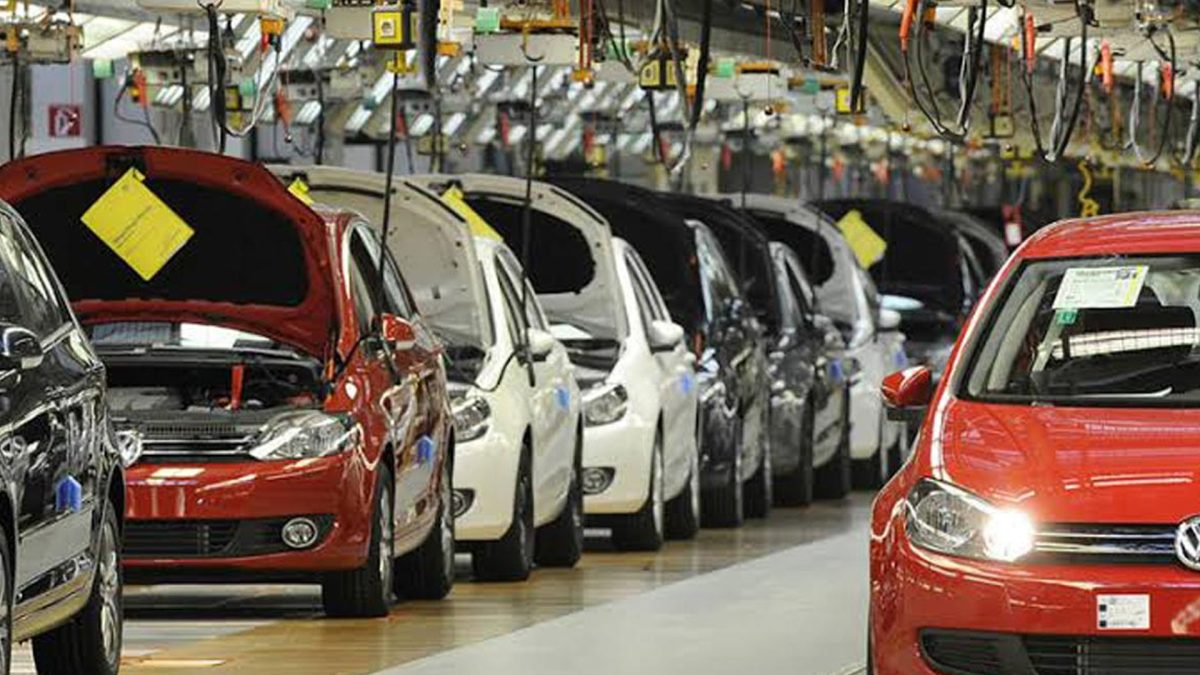
The automotive industry has undergone a remarkable transformation over the past decade, evolving from traditional internal combustion vehicles to sophisticated, tech-driven mobility solutions. For anyone passionate about automobiles or seeking insight into future trends, understanding the critical shifts in automotive technology, manufacturing, and consumer behavior is essential. In this article, we explore the key trends shaping the automotive landscape, including electric vehicles, autonomous driving, connected cars, sustainability practices, and innovations in manufacturing.
Electric Vehicles and the Shift Towards Sustainable Transportation
The global automotive market is witnessing an unprecedented shift toward electric vehicles (EVs). Driven by environmental concerns, government regulations, and technological advancements, EVs have transitioned from niche products to mainstream contenders.
Growth Drivers of Electric Vehicles
- Environmental Awareness: Rising concerns about climate change and urban air pollution have accelerated EV adoption. Consumers increasingly prioritize eco-friendly transportation, influencing automakers to invest heavily in electric mobility.
- Government Incentives: Tax credits, rebates, and policy frameworks across countries like the United States, Germany, and China have reduced the financial barrier for consumers to switch to EVs.
- Technological Advancements: Improvements in battery technology, particularly lithium-ion and solid-state batteries, have extended vehicle range, reduced charging time, and lowered production costs.
- Charging Infrastructure Expansion: The establishment of fast-charging networks and home charging solutions has addressed a significant barrier to EV adoption, encouraging more drivers to make the transition.
Future Prospects of Electric Vehicles
The next decade is expected to see mass adoption of fully electric fleets. Innovations such as wireless charging, vehicle-to-grid integration, and improved energy density in batteries will further enhance convenience and sustainability. Automakers are now focusing on affordable models, luxury EVs, and commercial electric vehicles to cater to diverse market needs.
Autonomous Driving: The Dawn of Self-Driving Cars
Autonomous driving technology is redefining mobility, promising increased safety, efficiency, and convenience. While fully autonomous vehicles are still under development, significant strides have been made in Level 2 and Level 3 automation.
Key Technologies in Autonomous Vehicles
- Advanced Driver-Assistance Systems (ADAS): Features like adaptive cruise control, lane-keeping assist, and automatic emergency braking serve as foundational technologies for autonomous vehicles.
- Artificial Intelligence and Machine Learning: Self-driving cars rely on AI algorithms to interpret data from sensors, cameras, and radar systems to make real-time decisions.
- LiDAR and Radar Sensors: These provide high-resolution 3D mapping, object detection, and obstacle avoidance capabilities, critical for safe autonomous navigation.
- V2X Communication: Vehicle-to-everything communication allows cars to exchange data with other vehicles, infrastructure, and pedestrians, reducing accidents and enhancing traffic flow.
Challenges and Regulatory Considerations
While autonomous vehicles promise numerous benefits, challenges persist. Legal frameworks, insurance regulations, cybersecurity risks, and public trust remain areas requiring careful attention. The deployment of autonomous vehicles will likely occur gradually, beginning with controlled urban areas and commercial applications such as delivery and ridesharing.
Connected Cars: Integrating Mobility with Technology
The concept of connected cars represents a significant evolution in automotive design, combining internet connectivity, infotainment systems, and telematics to enhance the driving experience.
Benefits of Connected Car Technology
- Enhanced Safety: Real-time alerts for traffic conditions, accidents, and road hazards improve driver awareness and reduce accidents.
- Predictive Maintenance: Sensors and data analytics enable vehicles to detect maintenance issues proactively, minimizing downtime and repair costs.
- Infotainment and Personalization: Connected cars offer seamless integration with smartphones, music streaming platforms, navigation apps, and even voice-controlled personal assistants.
- Fleet Management Efficiency: For commercial fleets, connected technology provides insights into vehicle performance, fuel consumption, and driver behavior, enabling operational optimization.
Integration with Smart Cities
Connected cars are pivotal to the development of smart city ecosystems. Traffic management systems, intelligent parking solutions, and energy-efficient routing depend on vehicles sharing real-time data with city infrastructure, creating a synergistic environment for urban mobility.
Sustainable Automotive Manufacturing Practices
Beyond vehicle technology, the automotive industry is embracing sustainability in manufacturing. Automakers recognize the importance of reducing carbon footprints, conserving resources, and adhering to environmentally responsible production processes.
Green Manufacturing Initiatives
- Use of Recycled Materials: Automakers increasingly use recycled metals, plastics, and composites to reduce environmental impact.
- Energy-Efficient Production: Factories now implement renewable energy sources, energy recovery systems, and waste minimization practices.
- Sustainable Supply Chains: Manufacturers are scrutinizing suppliers to ensure environmentally responsible sourcing and ethical labor practices.
Circular Economy in the Automotive Industry
The concept of a circular economy is gaining traction, where components are reused, remanufactured, or recycled at the end of their lifecycle. This approach not only reduces waste but also lowers manufacturing costs and supports sustainability goals.
Advancements in Automotive Safety
Safety remains a cornerstone of automotive innovation. Modern vehicles integrate multiple layers of safety features that protect occupants and reduce the likelihood of accidents.
Key Safety Innovations
- Collision Avoidance Systems: Combining radar, LiDAR, and cameras, these systems can prevent accidents by detecting imminent collisions and applying brakes automatically.
- Advanced Airbag Deployment: Airbags are now adaptive, deploying based on occupant size, seating position, and crash severity.
- Pedestrian and Cyclist Detection: Vehicles are equipped with sensors and AI systems to detect vulnerable road users, reducing fatalities in urban areas.
- Connected Safety Features: Connected technology allows vehicles to share safety data with other cars, alerting drivers to hazards in real time.
Regulatory and Industry Standards
Compliance with global safety standards, including NCAP ratings, FMVSS regulations, and ISO protocols, drives continuous improvement. Automakers actively test and refine safety systems, ensuring vehicles meet or exceed these benchmarks.
The Rise of Mobility-as-a-Service (MaaS)
The traditional concept of car ownership is evolving, giving way to Mobility-as-a-Service (MaaS) models that combine ride-sharing, car rentals, public transit, and on-demand transportation.
Benefits of MaaS
- Cost Efficiency: Users pay only for the services they need, reducing the financial burden of car ownership.
- Reduced Congestion: Shared mobility solutions reduce the number of vehicles on the road, contributing to lower traffic congestion.
- Environmental Impact: Fewer cars on the road lead to reduced emissions and better urban air quality.
- Convenience and Flexibility: Seamless digital platforms allow users to plan, book, and pay for multi-modal transportation options in real time.
Future Outlook
MaaS is expected to expand significantly as urbanization and digital technology converge. Partnerships between automakers, tech companies, and municipalities will facilitate integrated transport networks, redefining mobility experiences for city dwellers.
Innovations in Automotive Materials
Advancements in materials science are transforming vehicle performance, safety, and efficiency. Lightweight, durable, and sustainable materials play a pivotal role in modern automotive design.
Key Material Trends
- High-Strength Steel and Aluminum Alloys: Provide structural integrity while reducing weight, improving fuel efficiency.
- Carbon Fiber Composites: Increasingly used in sports and luxury vehicles for superior strength-to-weight ratios.
- Bio-Based and Recycled Plastics: Reduce dependency on petroleum-based materials and enhance sustainability.
- Smart Materials: Self-healing coatings, adaptive surfaces, and noise-dampening composites enhance durability and user comfort.
Impact on Vehicle Performance
The use of advanced materials improves acceleration, handling, and braking while lowering energy consumption. This shift to high strength, lightweight components can be important for modern automotive design, impacting everything from safety to efficiency. For example, using specialized components like low carbon tubing in the chassis or frame can reduce weight without compromising structural integrity. Lighter vehicles require less power, enhancing both conventional and electric vehicle efficiency.
Automotive Design and User Experience
Automotive design has evolved beyond aesthetics to prioritize user experience (UX), integrating ergonomics, digital interfaces, and personalized features.
Key Design Considerations
- Interior Experience: Smart dashboards, touchscreen interfaces, and ambient lighting enhance driver comfort and engagement.
- Personalization: Customizable seating, infotainment preferences, and connected services allow users to tailor vehicles to their needs.
- Human-Machine Interface (HMI): Voice recognition, gesture controls, and AI-powered assistants improve interaction with the vehicle.
- Aerodynamics: Sleek exterior designs not only enhance visual appeal but also improve efficiency and stability at high speeds.
Future of Automotive UX
With the rise of autonomous vehicles, interiors may transform into mobile living spaces, emphasizing comfort, entertainment, and productivity. Design trends will increasingly integrate technology to create immersive and adaptive environments.
Challenges Facing the Automotive Industry
Despite rapid innovation, the automotive sector faces significant challenges that require strategic navigation.
- Supply Chain Disruptions: Global semiconductor shortages and logistical bottlenecks have impacted production timelines.
- Cybersecurity Risks: Connected and autonomous vehicles face potential hacking threats, requiring robust security protocols.
- Regulatory Compliance: Varying global standards for emissions, safety, and data privacy necessitate adaptable strategies.
- Consumer Adoption Barriers: High upfront costs of EVs, limited infrastructure in some regions, and skepticism about autonomous technology slow widespread adoption.
Conclusion
The automotive industry is experiencing a revolutionary period defined by electrification, autonomy, connectivity, and sustainability. From electric vehicles to MaaS platforms, the sector is rapidly transforming to meet environmental goals, technological advancements, and evolving consumer expectations. Innovators in design, manufacturing, and mobility solutions are reshaping the way people move, making transportation more efficient, safer, and more integrated with daily life. For automotive enthusiasts, investors, and professionals, staying informed about these trends is critical to understanding the trajectory of modern mobility.
Frequently Asked Questions
What is the current range of most electric vehicles?
Most modern EVs offer a range between 250 and 400 miles per charge, with premium models exceeding 500 miles. Battery technology continues to improve, making longer distances increasingly feasible.
How close are fully autonomous vehicles to being mainstream?
Level 4 autonomous vehicles are being tested in controlled environments, while widespread adoption of fully autonomous Level 5 vehicles may take another decade due to regulatory, safety, and technological challenges.
Are connected cars safe from cyber attacks?
Connected vehicles incorporate advanced encryption, authentication, and software updates to mitigate cyber risks. However, ongoing vigilance and cybersecurity measures are essential to protect users.
What role does sustainability play in automotive manufacturing?
Sustainability is central to modern manufacturing. Automakers are increasingly using recycled materials, renewable energy, and circular economy principles to reduce environmental impact.
How does Mobility-as-a-Service change urban transportation?
MaaS offers flexible, cost-effective transportation by integrating ride-sharing, public transit, and rentals. It reduces congestion, lowers emissions, and provides a seamless travel experience.
What materials are revolutionizing vehicle efficiency?
Lightweight alloys, carbon fiber composites, and bio-based plastics improve performance, fuel efficiency, and sustainability, making vehicles more durable and eco-friendly.
What is the future of automotive design with autonomous technology?
As vehicles become autonomous, interiors may evolve into multifunctional spaces focused on comfort, productivity, and entertainment, shifting the design emphasis from driving to in-vehicle experience.
