

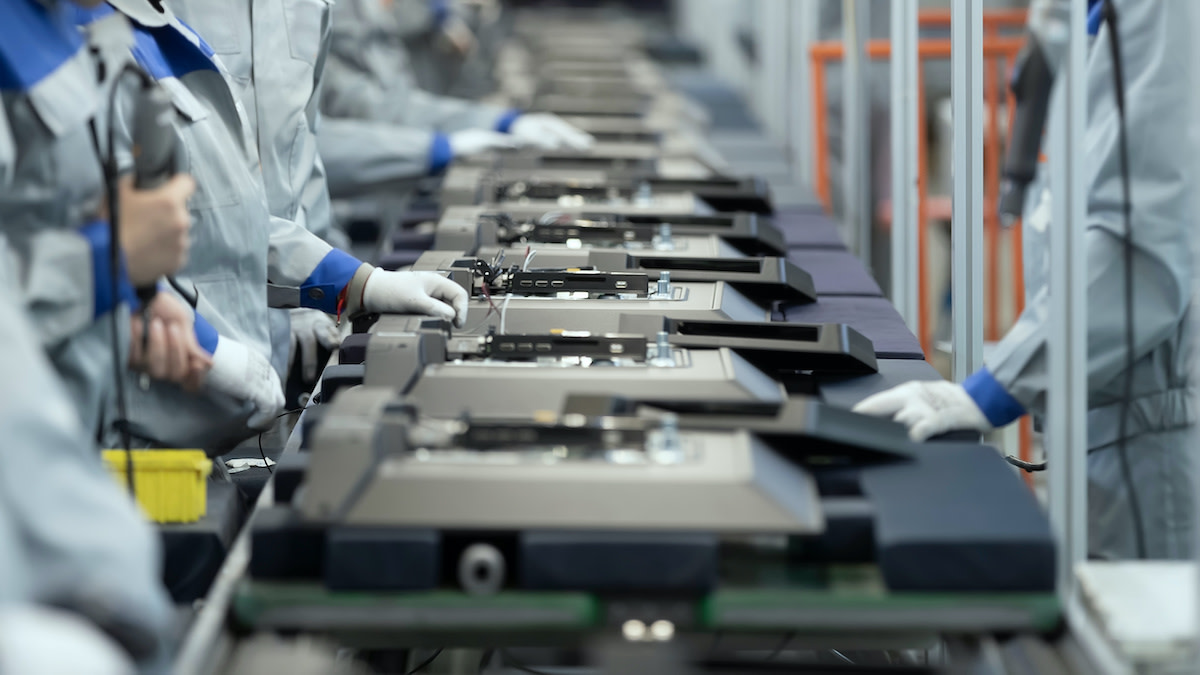
Production is the backbone of every economy, industry, and business. It involves the process of converting raw materials, labor, and technology into finished goods or services that hold value for consumers. The concept of production is multi-dimensional, encompassing industrial manufacturing, digital content creation, agricultural output, and service delivery. Understanding production requires a comprehensive examination of its methods, efficiency strategies, technological impact, and management principles.
The Fundamentals of Production
At its core, production revolves around creating goods and services efficiently and effectively. Several fundamental components define a successful production system:
- Input Resources: These include labor, raw materials, capital, energy, and technology, all essential for initiating production.
- Processes and Methods: Techniques for transforming inputs into outputs, ranging from traditional craftsmanship to advanced automation.
- Output and Quality: Finished goods and services that meet consumer standards, regulatory compliance, and market expectations.
- Distribution and Logistics: Moving products from production facilities to markets or consumers efficiently.
By optimizing these components, organizations ensure that production is not only cost-effective but also aligned with consumer demand and sustainability goals.
Types of Production
Production can be categorized based on the scale, method, and type of output. Understanding these classifications allows businesses to adopt appropriate strategies.
Mass Production
Mass production refers to large-scale manufacturing of standardized products. Characteristics include:
- Assembly Lines: Products move through sequential stages of assembly, maximizing efficiency.
- High Output: Designed to meet significant consumer demand.
- Economies of Scale: Unit costs decrease as production volume increases, enhancing profitability.
Industries like automotive manufacturing, electronics, and consumer goods heavily rely on mass production methods.
Job Production
Job production involves creating custom or unique products tailored to specific requirements. Features include:
- Customization: Each product is often designed to meet client specifications.
- Skilled Labor: Craftsmen, engineers, and specialists are critical for quality outcomes.
- Flexibility: Production schedules and processes adapt to varying project demands.
Sectors such as luxury goods, bespoke furniture, and construction often employ job production for specialized outcomes.
Batch Production
Batch production combines elements of mass and job production. It involves producing a set quantity of products in batches:
- Moderate Volume: Products are manufactured in defined batches rather than continuously.
- Adaptability: Different batches can cater to varying product lines or seasonal demand.
- Resource Optimization: Shared resources between batches enhance efficiency.
This method is prevalent in food processing, pharmaceutical manufacturing, and textile industries.
Continuous Production
Continuous production emphasizes uninterrupted manufacturing processes, typically for commodities or essential materials:
- Non-Stop Operations: Facilities operate 24/7 to maintain consistent output.
- Automated Systems: Highly automated machinery reduces human intervention.
- High Efficiency: Ideal for producing materials like chemicals, steel, and petroleum products.
Continuous production ensures supply stability for industries that require large-scale, constant output.
Production Planning and Management
Effective production requires meticulous planning and management to balance cost, quality, and output.
Capacity Planning
Capacity planning determines the production volume a facility can handle efficiently:
- Short-Term Planning: Adjusting labor and machinery schedules to meet immediate demand fluctuations.
- Long-Term Planning: Expanding facilities, acquiring new technology, or training workforce to sustain future growth.
- Bottleneck Analysis: Identifying and addressing stages in production that slow down overall output.
Inventory Management
Maintaining optimal inventory levels prevents shortages or excess stock:
- Just-In-Time (JIT): Materials arrive exactly when needed to reduce storage costs.
- Safety Stock: Extra inventory to protect against supply chain disruptions.
- Demand Forecasting: Predicting future demand based on market trends, historical data, and seasonal patterns.
Quality Control
Ensuring product quality is essential for customer satisfaction and brand reputation:
- Standardization: Establishing processes that consistently produce desired quality.
- Inspection and Testing: Regular checks during and after production prevent defects.
- Continuous Improvement: Applying methodologies like Six Sigma or Kaizen to enhance processes.
Lean Production
Lean production emphasizes minimizing waste and maximizing value:
- Process Optimization: Eliminating unnecessary steps and improving workflow efficiency.
- Resource Utilization: Efficient use of materials, energy, and labor.
- Customer Focus: Delivering high-quality products that meet consumer needs without excess cost.
Adopting lean practices increases profitability while maintaining product quality and responsiveness to market demand.
Technological Impact on Production
Technology has revolutionized production, enhancing speed, accuracy, and scalability.
Automation and Robotics
Automation reduces human labor, improves consistency, and accelerates production:
- Industrial Robots: Perform repetitive, precise tasks such as welding, assembly, and painting.
- CNC Machines: Computer-controlled machining ensures high precision in manufacturing components.
- Automated Warehousing: Robotic systems manage storage, retrieval, and sorting efficiently.
Digital Manufacturing
Digital tools enhance design, monitoring, and simulation:
- Computer-Aided Design (CAD): Facilitates detailed product designs before physical production.
- Computer-Aided Manufacturing (CAM): Translates designs into automated machining instructions.
- Digital Twins: Virtual replicas of production systems enable real-time monitoring and predictive maintenance.
Industry 4.0 and Smart Factories
Industry 4.0 integrates interconnected systems, AI, and IoT into production:
- Predictive Analytics: Data-driven insights anticipate equipment failures and optimize workflows.
- IoT Integration: Sensors track performance, quality, and inventory levels in real-time.
- Adaptive Manufacturing: Production systems dynamically adjust to changing conditions and orders.
Smart factories reduce downtime, improve efficiency, and enhance flexibility in responding to market demands.
Sustainability in Production
Sustainable production focuses on reducing environmental impact while maintaining efficiency:
- Eco-Friendly Materials: Using recycled, renewable, or biodegradable inputs reduces resource depletion.
- Energy Efficiency: Implementing energy-saving equipment and processes lowers emissions.
- Waste Reduction: Recycling, reusing, and minimizing production waste supports environmental responsibility.
- Circular Economy Models: Designing products and processes for reuse and longevity enhances sustainability.
Sustainable practices ensure long-term viability, regulatory compliance, and social responsibility.
Challenges in Modern Production
Modern production faces several challenges that require strategic solutions:
- Supply Chain Disruptions: Global events, geopolitical tensions, or raw material shortages impact operations.
- Labor Shortages: Skilled workforce shortages can slow production efficiency.
- Rising Costs: Fluctuating energy, material, and transportation costs affect profitability.
- Regulatory Compliance: Adhering to safety, environmental, and labor regulations is complex but essential.
Addressing these challenges involves technological integration, risk management, and adaptive strategies.
Production Metrics and Performance
Monitoring production performance ensures operational excellence:
- Overall Equipment Effectiveness (OEE): Measures machinery availability, performance, and quality output.
- Throughput: Tracks the quantity of goods produced over a specified period.
- Cycle Time: Evaluates the time required to complete one production unit from start to finish.
- Defect Rate: Measures the frequency of errors or defective products to assess quality control effectiveness.
These metrics guide decision-making, highlight improvement areas, and ensure production aligns with business objectives.
The Future of Production
The future of production is driven by innovation, digitalization, and sustainability:
- Additive Manufacturing: 3D printing enables rapid prototyping, customization, and decentralized production.
- Artificial Intelligence: AI predicts demand, optimizes processes, and automates complex decision-making.
- Sustainable Technologies: Renewable energy, waste reduction, and green supply chains define responsible production.
- Global Integration: Production networks become increasingly interconnected, leveraging global expertise and resources.
Future production systems will be more adaptive, intelligent, and environmentally conscious, redefining how goods and services are created.
FAQ Section
1. What are the key differences between mass and job production?
Mass production focuses on high-volume, standardized products, while job production creates customized items tailored to specific client needs.
2. How does lean production improve efficiency?
Lean production minimizes waste, optimizes workflow, and focuses on customer value, resulting in higher efficiency and lower costs.
3. What role does automation play in modern production?
Automation enhances speed, accuracy, and consistency, reduces labor costs, and allows human workers to focus on more complex tasks.
4. How can businesses implement sustainable production practices?
By using eco-friendly materials, optimizing energy use, reducing waste, and adopting circular economy models, businesses can achieve sustainable production.
5. What are the challenges of managing a modern production facility?
Challenges include supply chain disruptions, labor shortages, rising costs, technological integration, and regulatory compliance.
6. How does Industry 4.0 transform production?
Industry 4.0 integrates AI, IoT, and smart systems to enable predictive maintenance, real-time monitoring, adaptive manufacturing, and data-driven decision-making.
7. Why is production performance measurement important?
Metrics like OEE, throughput, cycle time, and defect rate allow businesses to optimize processes, maintain quality, and achieve operational goals.
8. What emerging technologies will shape the future of production?
Technologies such as 3D printing, AI-driven automation, IoT integration, and sustainable manufacturing solutions will define the next era of production.
Production is a dynamic field that blends science, technology, and human ingenuity. By embracing innovation, optimizing processes, and prioritizing sustainability, businesses can create value efficiently while preparing for a future defined by adaptability and responsible practices.
