

What Is Advertising?
Advertising is the strategic communication of a message to promote a product, service, or idea to a target audience. It blends psychology, storytelling, design, and data to influence decisions and shape perceptions.
At its core, advertising answers three simple questions:
- Who are we talking to?
- What do we want them to feel or do?
- Why should they care?
Why Advertising Matters
Advertising is not just about selling—it plays a larger role in shaping markets and culture.
Key Functions of Advertising
- Creates Awareness: Introduces new products or services to potential customers
- Builds Brand Identity: Establishes a recognizable voice, tone, and personality
- Drives Sales: Encourages immediate or long-term purchasing behavior
- Educates Consumers: Explains product benefits and usage
- Supports Competition: Helps businesses stand out in crowded markets
Types of Advertising
Advertising exists in many forms, each suited to different goals and audiences.
1. Traditional Advertising
- Television commercials
- Radio ads
- Print media (newspapers, magazines)
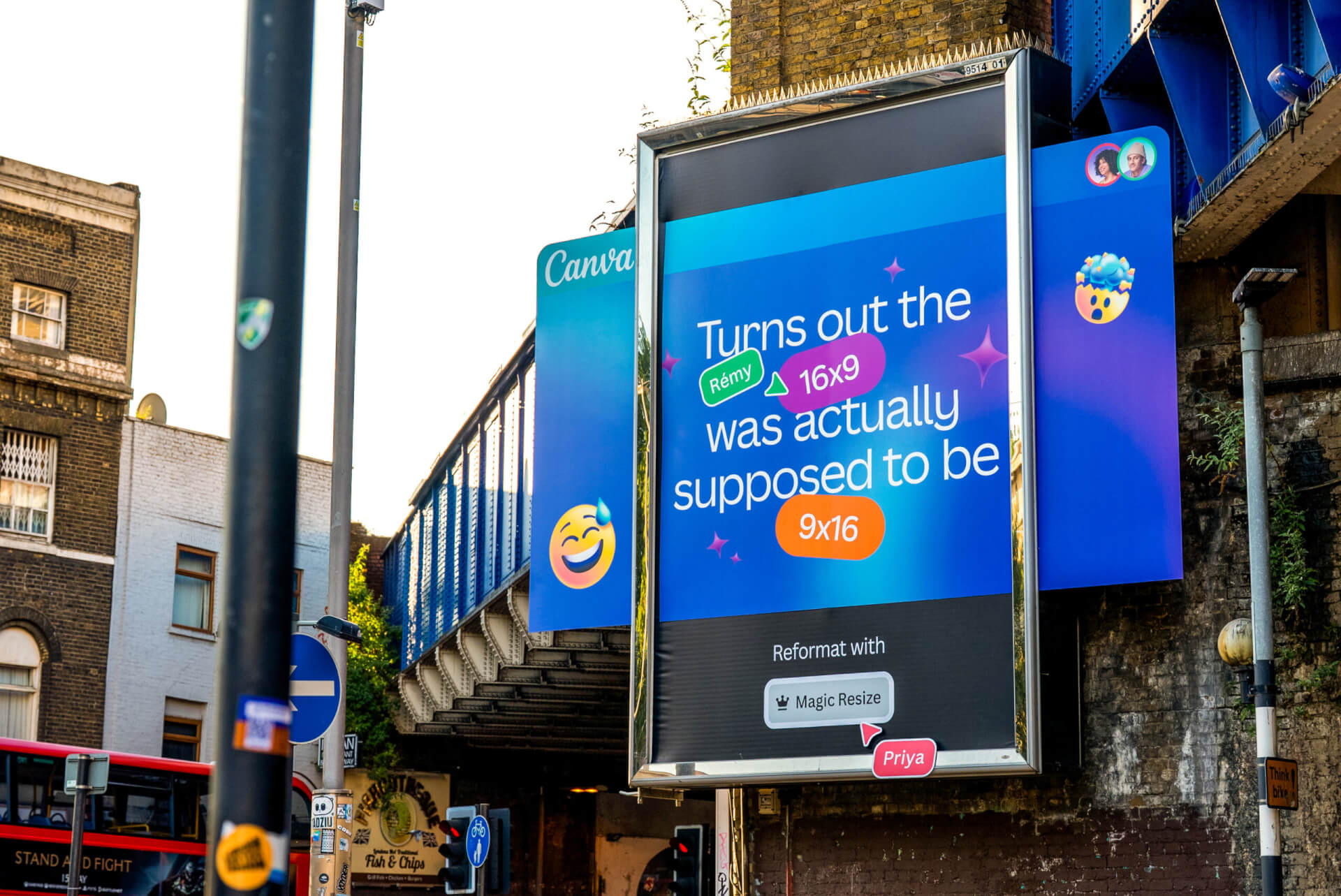
- Outdoor billboards
2. Digital Advertising
- Social media ads (Instagram, Facebook, LinkedIn)
- Search engine marketing (SEM)
- Display/banner ads
- Video ads on streaming platforms
3. Native Advertising
- Content that blends seamlessly with the platform (e.g., sponsored articles)
4. Influencer Marketing
- Collaborations with individuals who have strong audience trust
5. Programmatic Advertising
- Automated ad buying using AI and data targeting
Core Elements of Effective Advertising
1. Target Audience
Understanding your audience is essential. This includes:
- Demographics (age, gender, income)
- Psychographics (interests, values)
- Behavior (buying patterns)
2. Clear Message
A strong ad communicates one idea clearly. Avoid clutter and focus on:
- Problem → Solution → Benefit
3. Creative Execution
This includes:
- Visual design
- Copywriting
- Emotional appeal
4. Call to Action (CTA)
Tell the audience what to do next:
- “Buy now”
- “Learn more”
- “Sign up today”
5. Channel Selection
Choose platforms where your audience spends time.
Advertising Strategy: Step-by-Step
Step 1: Define Goals
- Brand awareness
- Lead generation
- Sales conversion
Step 2: Research the Market
- Competitor analysis
- Consumer insights
- Trends and gaps
Step 3: Develop a Unique Value Proposition (UVP)
Explain what makes your offering different.
Step 4: Craft the Message
Use storytelling and emotional triggers.
Step 5: Select Media Channels
Align with your audience and budget.
Step 6: Measure Performance
Track metrics like:
- Click-through rate (CTR)
- Conversion rate
- Return on ad spend (ROAS)
Psychology Behind Advertising
Successful ads tap into human emotions and cognitive biases.
Common Psychological Triggers
- Scarcity: “Limited time offer”
- Social Proof: Reviews and testimonials
- Authority: Expert endorsements
- Fear of Missing Out (FOMO)
- Emotional Appeal: Happiness, nostalgia, fear, or aspiration
Challenges in Modern Advertising
- Ad Fatigue: Audiences ignore repetitive ads
- Privacy Regulations: Restrictions on data tracking
- Ad Blockers: Reduced visibility
- Content Overload: Competing with endless content streams
Future Trends in Advertising
- AI-driven personalization
- Voice and visual search ads
- Augmented reality (AR) experiences
- Interactive and immersive ads
- Sustainability-focused messaging
Best Practices for High-Impact Advertising
- Keep messaging simple and focused
- Use strong visuals and compelling headlines
- Test multiple variations (A/B testing)
- Optimize continuously based on data
- Align ads with overall brand strategy
FAQs About Advertising
1. What is the difference between advertising and marketing?
Advertising is a component of marketing focused on promotion, while marketing includes research, product development, pricing, and distribution.
2. How much should a business spend on advertising?
It varies by industry, but many businesses allocate 5–10% of revenue to marketing and advertising.
3. What makes an advertisement successful?
A successful ad is relevant, memorable, emotionally engaging, and action-driven.
4. Is digital advertising better than traditional advertising?
Not necessarily. Digital offers better targeting and tracking, but traditional media can still be powerful for mass reach.
5. How can small businesses compete in advertising?
By focusing on niche targeting, creativity, and cost-effective digital platforms like social media.
6. What is A/B testing in advertising?
It’s the process of comparing two versions of an ad to determine which performs better.
7. How do advertisers measure ROI?
By analyzing metrics like conversions, revenue generated, and cost per acquisition relative to ad spend.
