

Introduction
Advertising has evolved rapidly in the digital era, shifting from broad mass messaging to highly targeted, data-driven communication. Businesses today no longer rely solely on visibility—they compete on relevance, personalization, and engagement.
This transformation has created both opportunity and complexity, requiring marketers to balance creativity with analytics.
The Shift from Traditional to Digital Advertising
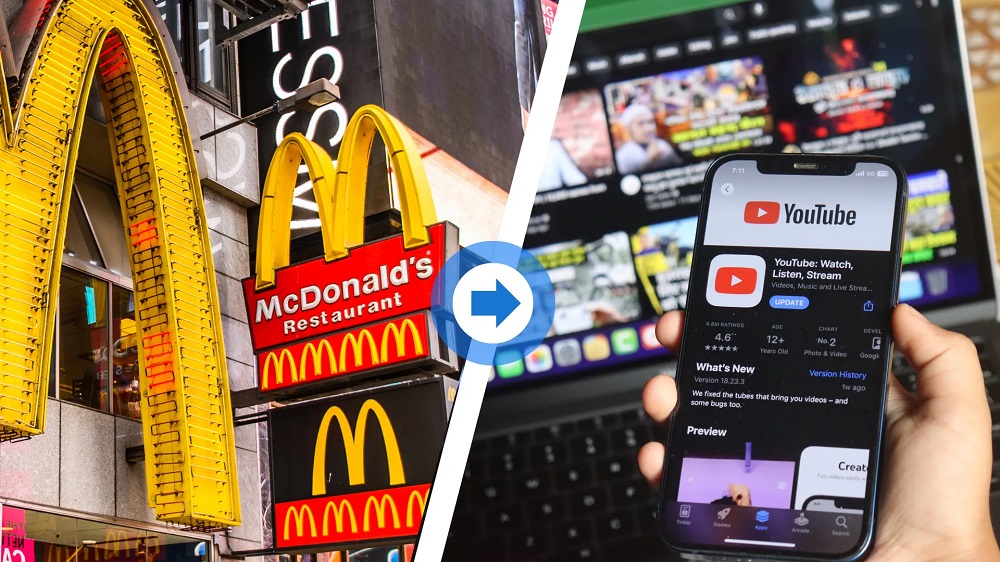
The biggest change in advertising is the move from one-way communication to interactive engagement.
Key Differences
- Traditional Advertising
- Limited audience targeting
- Difficult to measure performance
- High upfront costs
- Digital Advertising
- Precise targeting based on behavior and interests
- Real-time performance tracking
- Flexible budgets and scalability
This shift allows even small businesses to compete with larger brands.
Core Digital Advertising Channels
1. Search Engine Advertising
Search ads appear when users actively look for information, making them highly intent-driven.
- Platforms: Google Ads, Bing Ads
- Best for: Immediate conversions
2. Social Media Advertising
Social platforms enable detailed targeting and visual storytelling.
- Platforms: Instagram, Facebook, LinkedIn
- Best for: Brand awareness and engagement
3. Display Advertising
Banner ads shown across websites help increase visibility.
- Best for: Retargeting and brand recall
4. Video Advertising
Short-form and long-form videos dominate attention spans.
- Platforms: YouTube, streaming services
- Best for: Emotional storytelling
5. Native Advertising
Blends seamlessly with content, making it less intrusive and more engaging.
Content-Driven Advertising
Modern advertising is increasingly built around valuable content rather than direct selling.
Popular Content Formats
- Blog posts
- Videos and reels
- Infographics
- Podcasts
Why Content Works
- Builds trust over time
- Educates the audience
- Improves SEO visibility
- Encourages sharing and engagement
Data and Personalization
Digital advertising thrives on data. Marketers use analytics to deliver personalized experiences.
Examples of Personalization
- Product recommendations
- Dynamic ads based on browsing history
- Email campaigns tailored to user behavior
Key Metrics to Track
- Click-through rate (CTR)
- Cost per click (CPC)
- Conversion rate
- Customer acquisition cost (CAC)
Budgeting and ROI Optimization
Effective advertising is not about spending more—it’s about spending smarter.
Tips for Better ROI
- Start with small test campaigns
- Focus on high-performing audiences
- Optimize ad creatives regularly
- Use retargeting to convert interested users
Ethical Considerations in Advertising
As advertising becomes more data-driven, ethical concerns grow.
Key Issues
- Data privacy and consent
- Misleading or exaggerated claims
- Over-targeting vulnerable audiences
Responsible advertising builds long-term credibility and trust.
Emerging Trends to Watch
- AI-generated ad creatives
- Voice search advertising
- Shoppable content and live commerce
- Augmented reality (AR) experiences
- Hyper-personalized campaigns
These trends are shaping how brands interact with consumers in more immersive ways.
Best Practices for Modern Advertisers
- Focus on audience-first messaging
- Use data to guide decisions, not replace creativity
- Maintain consistency across channels
- Test and adapt continuously
- Prioritize authenticity over perfection
FAQs
1. What is the most effective digital advertising channel?
It depends on your goals. Search ads work best for conversions, while social media excels in engagement and awareness.
2. How long does it take to see results from digital ads?
Some campaigns show results within days, but optimization often takes weeks of testing and refinement.
3. Is digital advertising expensive?
It can be cost-effective since you control budgets and only pay for specific actions like clicks or impressions.
4. What is retargeting in advertising?
Retargeting shows ads to users who have previously interacted with your website or content, increasing conversion chances.
5. How important is mobile advertising?
Extremely important, as a majority of users access content through mobile devices.
6. Can advertising work without content marketing?
It can, but combining both creates stronger, long-term results.
7. What skills are needed for digital advertising?
Key skills include data analysis, copywriting, design, and strategic thinking.
