

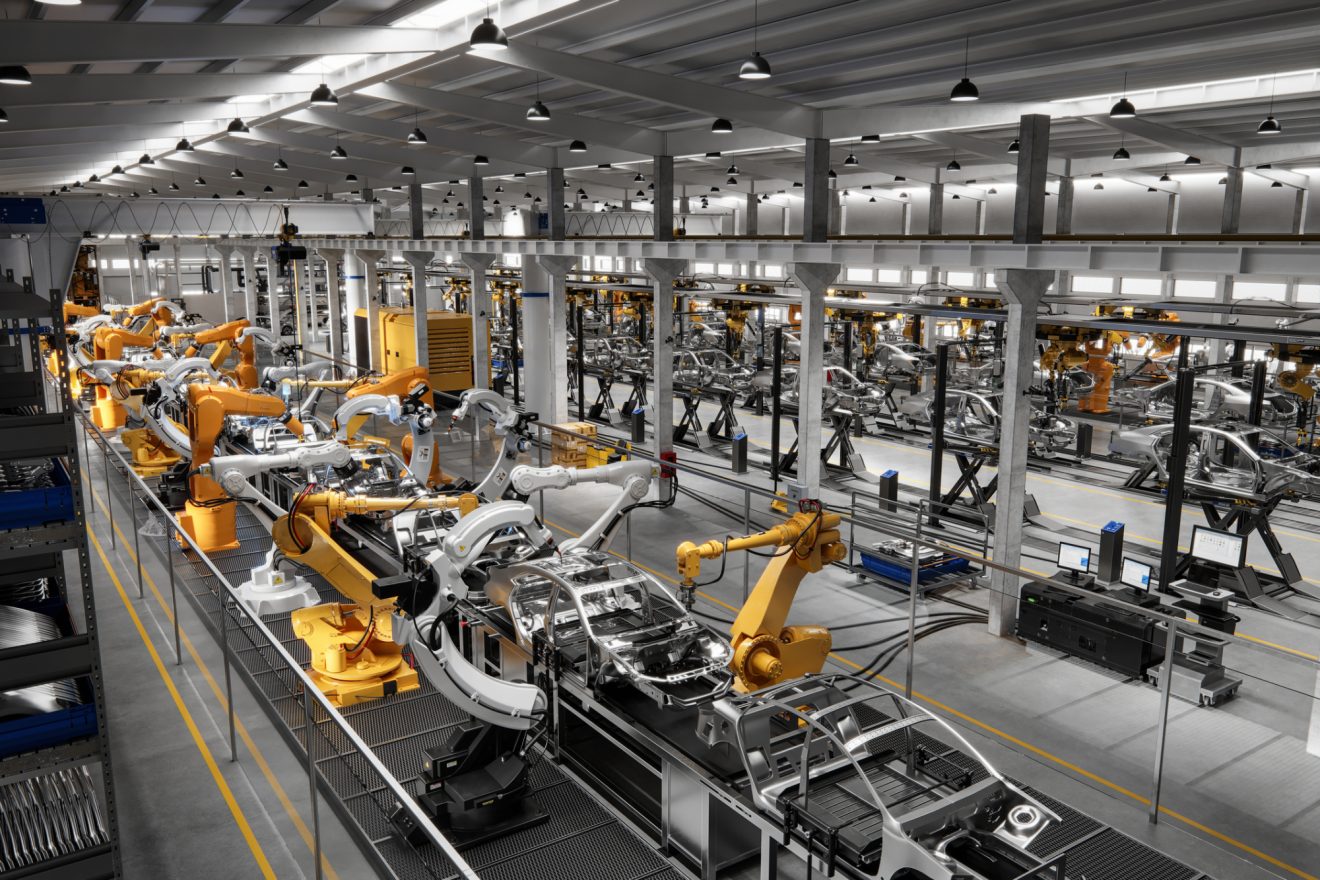
The term industry encompasses a vast range of economic activities focused on the production of goods and services. It forms the backbone of global economies, driving innovation, employment, and wealth creation. Industries span from traditional manufacturing to high-tech services, each with its own operational models, challenges, and growth strategies. Understanding the intricacies of industry is essential for policymakers, investors, business leaders, and consumers who interact with products and services daily.
Defining Industry and Its Scope
Industry refers to organized economic activities that produce goods or provide services to meet the demands of society. It is generally classified into three major sectors:
- Primary Industry: Activities that extract or harvest natural resources, such as agriculture, mining, forestry, and fishing.
- Secondary Industry: Transforming raw materials into finished products through manufacturing and construction.
- Tertiary Industry: Providing services rather than tangible goods, including finance, healthcare, education, and tourism.
Beyond these broad classifications, modern economies have seen the emergence of quaternary and quinary sectors, focusing on knowledge-based services and high-level decision-making processes, including research, innovation, and executive management.
Evolution of Industries
Industries have evolved significantly over centuries, influenced by technological advances, consumer demand, and globalization.
Pre-Industrial Era
Before mechanized production, industries were primarily artisanal. Craftsmen, blacksmiths, and small-scale farmers produced goods for local consumption. Economic activity was labor-intensive, and production capacity was limited.
Industrial Revolution
The Industrial Revolution marked a turning point in industry history. Key developments included:
- Introduction of steam engines and mechanized production lines
- Mass production of textiles, steel, and machinery
- Urbanization driven by factory-based employment
This period established the foundation for large-scale manufacturing and modern economic structures.
Modern Industrial Era
The 20th and 21st centuries have witnessed a transition from heavy industries to diversified, technology-driven sectors. Innovations in automation, information technology, and logistics have enabled global supply chains, real-time production monitoring, and precision manufacturing. Today’s industries integrate artificial intelligence, robotics, and data analytics to optimize efficiency and reduce costs.
Core Components of Industrial Operations
Industries operate through interconnected processes that ensure productivity, quality, and sustainability.
Production and Manufacturing
Efficient production involves the conversion of raw materials into finished goods. Critical aspects include:
- Workflow design and process optimization
- Quality control and adherence to standards
- Supply chain coordination to ensure timely material availability
- Adoption of automation and advanced manufacturing technologies
Research and Development
Innovation drives industry growth and competitiveness. Research and development (R&D) enable:
- Creation of new products and services
- Process improvement and cost reduction
- Adaptation to market trends and consumer preferences
- Integration of sustainable practices and technologies
Supply Chain and Logistics
Industries rely on robust supply chain management to move raw materials and finished products efficiently:
- Inventory management and demand forecasting
- Transportation, warehousing, and distribution networks
- Vendor and supplier relationship management
- Risk mitigation for disruptions caused by geopolitical, environmental, or economic factors
Workforce and Human Capital
Skilled labor is fundamental for industrial success. Industries invest in:
- Employee training and skill development
- Occupational health and safety programs
- Performance management and retention strategies
- Fostering an innovative and collaborative work culture
Regulatory Compliance and Sustainability
Industries must adhere to laws and ethical standards while minimizing environmental impact:
- Environmental regulations and pollution control
- Labor laws and workplace safety standards
- Product safety and consumer protection requirements
- Corporate social responsibility initiatives
Key Types of Industries
Industries can be classified based on the nature of goods and services, technology use, and market focus.
Manufacturing Industry
Manufacturing converts raw materials into products ranging from automobiles to electronics. Subcategories include:
- Heavy Manufacturing: Steel, machinery, and infrastructure components
- Light Manufacturing: Consumer electronics, garments, and furniture
- High-Tech Manufacturing: Semiconductors, aerospace components, and biotechnology
Service Industry
Service industries focus on intangible outputs, emphasizing quality, expertise, and customer experience:
- Financial Services: Banking, investment, and insurance
- Healthcare: Hospitals, clinics, and pharmaceutical services
- Education and Training: Schools, universities, and professional development programs
- Tourism and Hospitality: Hotels, travel agencies, and entertainment services
Energy and Natural Resources Industry
Energy and resource industries extract and manage vital materials:
- Fossil Fuels: Oil, coal, and natural gas
- Renewable Energy: Solar, wind, hydro, and bioenergy
- Mining and Minerals: Metals, rare earth elements, and construction aggregates
Technology and Knowledge-Based Industry
Innovation-driven sectors leverage intellectual capital:
- Information Technology and Software Development
- Artificial Intelligence and Machine Learning Applications
- Biotechnology and Pharmaceutical Research
- Digital Media, E-commerce, and Online Services
Factors Influencing Industrial Growth
Several factors determine the success and growth trajectory of industries:
- Market Demand: Consumer preferences and global trends shape production priorities.
- Technological Advancements: Automation, AI, and digitization enhance efficiency and competitiveness.
- Government Policies: Tax incentives, trade regulations, and infrastructure investments impact operational viability.
- Capital Investment: Availability of financial resources influences expansion, R&D, and workforce development.
- Globalization: International trade agreements and supply chain integration expand market access.
- Sustainability and ESG Practices: Environmental, social, and governance considerations influence stakeholder trust and regulatory compliance.
Challenges Facing Modern Industries
Despite growth potential, industries encounter multiple challenges that require strategic management:
- Economic Volatility: Inflation, currency fluctuations, and recessions affect production and consumption.
- Technological Disruption: Rapid innovation can render existing processes or products obsolete.
- Labor Shortages: Skilled workforce scarcity impacts productivity and innovation.
- Environmental Pressures: Regulatory compliance and sustainable practices are increasingly critical.
- Global Competition: International competitors can influence pricing, quality standards, and market share.
Industries that adapt proactively to these challenges maintain resilience and long-term sustainability.
Emerging Trends in Industry
Industries continue to evolve in response to technology, consumer expectations, and global dynamics:
Industry 4.0
Characterized by the integration of digital technologies into manufacturing and production:
- Internet of Things (IoT) for connected machinery and real-time monitoring
- Robotics and automation enhancing precision and efficiency
- Big data analytics for predictive maintenance and decision-making
Circular Economy and Sustainability
Industries are adopting circular economy models to reduce waste and resource consumption:
- Product life-cycle management and recycling
- Sustainable sourcing of raw materials
- Energy-efficient production techniques
Global Supply Chain Optimization
Industries leverage digital tools for resilient supply chains:
- AI-driven demand forecasting
- Blockchain for transparent and secure logistics
- Diversification of suppliers to reduce geopolitical and environmental risks
Smart Services and Customization
Industries are moving towards personalized products and services:
- Mass customization in manufacturing
- On-demand services in logistics, healthcare, and retail
- Integration of AI to predict consumer preferences and enhance experience
Measuring Industrial Performance
Industrial performance is assessed using a variety of quantitative and qualitative metrics:
- Production Output: Total units or value of goods produced
- Revenue and Profit Margins: Financial performance indicators
- Productivity Metrics: Efficiency of labor and machinery utilization
- Innovation Index: Patents filed, R&D expenditure, and new product launches
- Sustainability Metrics: Carbon footprint, energy usage, and waste reduction
- Market Share and Competitive Positioning: Industry standing relative to peers
Consistent monitoring of these metrics ensures that industries remain competitive, sustainable, and aligned with strategic goals.
FAQs About Industry
What defines an industry in economic terms?
An industry is defined as a collective group of businesses or activities that produce goods or provide services within a particular sector of the economy.
How do technological advancements impact industries?
Technological advancements enhance efficiency, reduce costs, enable innovation, and create new market opportunities, while also posing challenges of disruption to traditional processes.
Why is sustainability important for modern industries?
Sustainability mitigates environmental impact, ensures regulatory compliance, fosters consumer trust, and can drive cost savings through energy efficiency and resource optimization.
What are the main challenges industries face today?
Industries face economic volatility, technological disruption, labor shortages, environmental regulations, and global competition, all of which require adaptive strategies.
How do industries contribute to economic growth?
Industries generate employment, create goods and services, drive technological innovation, contribute to GDP, and facilitate international trade.
What is the role of research and development in industry?
R&D drives innovation, improves processes, develops new products, and maintains competitiveness in rapidly evolving markets.
Industries are central to modern economic structures, shaping employment, innovation, and societal progress. By understanding operational dynamics, emerging trends, and strategic challenges, stakeholders can navigate the industrial landscape effectively. The continuous evolution of industries, driven by technology, sustainability, and global integration, ensures their pivotal role in economic growth and development for years to come.
