

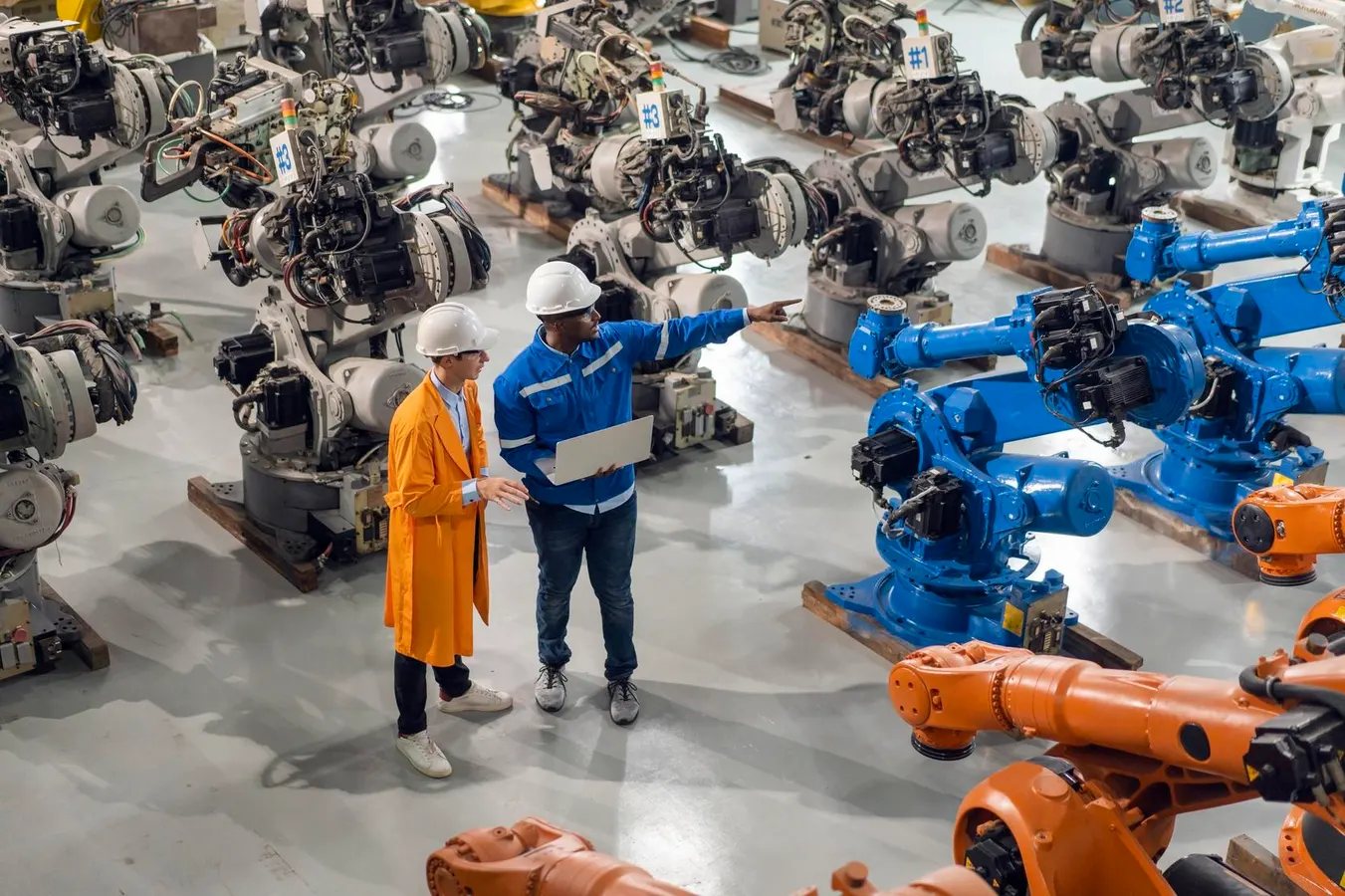
The concept of industry has always been central to human civilization, shaping economies, societies, and technological advancements. From the rise of the Industrial Revolution to the digital transformation era, industries have continuously evolved, influencing not only employment patterns but also global trade and cultural exchanges. In today’s rapidly changing global economy, understanding the dynamics of industries is essential for business leaders, policymakers, investors, and professionals seeking to thrive in a competitive environment. This article delves deep into the structure, trends, challenges, and future prospects of modern industries, providing a comprehensive analysis that is relevant across sectors.
The Definition and Scope of Industry
Industry refers to the organized production of goods or services within an economy. It encompasses a wide spectrum of activities, ranging from manufacturing and construction to technology and services. Industries are typically categorized into three primary sectors:
- Primary Industry: Involves extraction and harvesting of natural resources, such as agriculture, mining, forestry, and fishing. This sector forms the backbone of raw materials supply for other industries.
- Secondary Industry: Focuses on manufacturing and processing, converting raw materials into finished products. Examples include automotive manufacturing, electronics production, and textile fabrication.
- Tertiary Industry: Comprises service-oriented activities that support the economy, including retail, healthcare, education, financial services, and information technology.
Industries are not confined to local or national boundaries. Globalization has created intricate supply chains, making industries interdependent across countries. This interconnectedness has implications for resource allocation, economic policies, and international trade.
Key Drivers of Industrial Growth
Understanding the forces driving industrial growth is crucial for stakeholders aiming to enhance productivity and competitiveness. Several factors contribute significantly:
Technological Advancements
Innovation and technology are at the heart of modern industry transformation. Automation, robotics, artificial intelligence, and data analytics have revolutionized production processes, enabling higher efficiency and precision. For instance, smart factories utilize IoT (Internet of Things) to monitor and optimize operations in real-time, reducing downtime and costs.
Globalization and Trade
Global trade agreements and international collaborations have expanded market access for industries worldwide. Companies now source raw materials globally and reach consumers across continents. While globalization fosters growth, it also exposes industries to international competition and supply chain vulnerabilities.
Workforce Dynamics
A skilled workforce is indispensable for industrial competitiveness. Education, training programs, and upskilling initiatives enable employees to adapt to evolving technological requirements. Industries with a strong emphasis on continuous learning tend to outperform peers in innovation and productivity.
Capital Investment
Investment in infrastructure, machinery, and technology drives industrial efficiency. Both private and public sector investments are vital for developing new facilities, expanding operations, and sustaining long-term growth.
Regulatory Framework
Government policies, labor laws, environmental regulations, and tax incentives significantly impact industrial performance. A supportive regulatory environment encourages innovation and responsible growth, while strict compliance ensures ethical practices and sustainability.
Trends Shaping Modern Industries
Several key trends are reshaping industries in the 21st century, reflecting shifts in consumer behavior, technology adoption, and environmental consciousness.
Digital Transformation
The adoption of digital technologies is redefining traditional industrial models. Cloud computing, artificial intelligence, blockchain, and machine learning are enabling smarter operations, predictive maintenance, and efficient supply chain management. Digitalization also enhances customer experience, allowing industries to offer personalized solutions at scale.
Sustainability and Green Practices
Environmental responsibility has emerged as a central concern. Industries are adopting sustainable practices, such as using renewable energy, reducing carbon footprints, and implementing circular economy principles. Companies investing in eco-friendly production often gain a competitive advantage and improve brand reputation.
Industry 4.0
Industry 4.0 represents the integration of cyber-physical systems, automation, and data-driven decision-making. This revolution emphasizes connectivity, real-time monitoring, and adaptive manufacturing processes. Factories equipped with smart sensors and AI algorithms can optimize production schedules, reduce waste, and respond dynamically to market changes.
Consumer-Centric Models
Modern industries increasingly prioritize customer preferences and feedback. Businesses leverage big data and analytics to understand consumer behavior, tailor products and services, and enhance satisfaction. Customization and rapid delivery models have become essential for retaining consumer loyalty.
Resilient Supply Chains
Recent global disruptions, such as pandemics and geopolitical conflicts, have highlighted the importance of resilient supply chains. Industries are diversifying suppliers, adopting local sourcing strategies, and leveraging predictive analytics to anticipate risks and maintain operational continuity.
Challenges Facing Contemporary Industries
While industries experience growth and innovation, they also face a complex array of challenges that demand strategic responses.
Technological Disruption
Rapid technological changes can render traditional business models obsolete. Companies must continuously innovate or risk losing relevance. Integrating emerging technologies often requires substantial investment and skilled personnel.
Labor Market Shifts
Automation and AI adoption can displace certain jobs, leading to workforce resistance and social challenges. Balancing technological advancement with employment stability is critical for sustainable industrial growth.
Regulatory Compliance
Industries must navigate a complex web of national and international regulations, ranging from safety standards to environmental laws. Non-compliance can result in penalties, reputational damage, and operational setbacks.
Market Volatility
Fluctuations in raw material prices, currency exchange rates, and consumer demand create uncertainty for industrial operations. Companies must implement robust risk management strategies to maintain profitability.
Sustainability Pressures
Increasing expectations from governments, investors, and consumers for environmentally responsible practices require industries to invest in green technologies. Balancing profitability with sustainability remains a significant challenge.
Future Outlook for Industries
The future of industries is poised to be driven by technology, sustainability, and adaptability. Several trends are likely to define industrial growth in the coming decades:
Hyper-Automation
Advanced robotics, AI, and machine learning will enable hyper-automation, where complex processes are executed with minimal human intervention. This will improve efficiency and reduce operational costs.
Circular Economy Adoption
Industries are expected to increasingly adopt circular economy principles, focusing on recycling, reusing, and reducing waste. This approach promotes sustainable growth and aligns with global environmental goals.
Collaborative Innovation
Industries will increasingly rely on cross-sector collaborations and partnerships to drive innovation. Sharing knowledge, research, and resources will accelerate technological advancements and product development.
Data-Driven Decision Making
Real-time data analytics will become a cornerstone for strategic planning. Predictive insights will enable industries to optimize production, forecast market trends, and enhance customer satisfaction.
Inclusive Industrial Growth
Social responsibility and equitable labor practices will gain prominence. Industries will focus on creating inclusive workplaces, promoting diversity, and ensuring fair labor standards across global operations.
The Role of Industry in Economic Development
Industries play a pivotal role in national and global economic development. Their contributions are multifaceted:
- Job Creation: Industrial growth generates employment opportunities across multiple skill levels, from manufacturing workers to engineers and analysts.
- Infrastructure Development: Industries stimulate investments in transportation, energy, and communication infrastructure.
- Innovation and Research: Industrial sectors drive research and development, fostering technological advancements and intellectual property creation.
- Trade and Export: Strong industrial sectors enhance a country’s trade balance and foreign exchange reserves.
- Socioeconomic Upliftment: Industrialization often leads to improved standards of living, education, and healthcare access in surrounding communities.
Real-Life Examples of Industrial Excellence
Several industries globally demonstrate successful integration of innovation, sustainability, and growth strategies:
- Automotive Industry: Leading manufacturers leverage automation, AI-driven quality control, and electric vehicle technology to maintain competitiveness.
- Pharmaceutical Industry: Rapid drug development, vaccine production, and biotech innovation highlight the role of research-driven industry in public health.
- Technology Industry: Companies in cloud computing, software development, and semiconductors exemplify data-driven and innovation-focused industrial growth.
- Renewable Energy Industry: Solar and wind energy producers demonstrate how sustainability and profitability can coexist through technological adoption and policy support.
FAQs About Industries
What are the most influential trends in modern industries today?
Digital transformation, sustainability, and Industry 4.0 integration are among the most impactful trends, reshaping production, supply chains, and consumer engagement.
How do industries adapt to technological disruptions?
Industries invest in research and development, upskill their workforce, and adopt flexible business models to respond to technological advancements and maintain competitiveness.
Why is sustainability crucial for industries?
Sustainability minimizes environmental impact, aligns with regulatory requirements, enhances brand reputation, and attracts eco-conscious consumers and investors.
How do industries contribute to national economic growth?
Industries drive employment, innovation, infrastructure development, trade, and overall socioeconomic progress, making them central to economic development strategies.
What challenges do global industries face today?
Industries face technological disruption, labor market shifts, regulatory complexities, market volatility, and sustainability pressures, all requiring strategic management and adaptation.
What is Industry 4.0, and why is it important?
Industry 4.0 refers to the integration of automation, data analytics, IoT, and AI in industrial operations. It enhances efficiency, precision, and adaptability, making it essential for modern competitive landscapes.
How can industries build resilient supply chains?
Diversifying suppliers, implementing local sourcing, leveraging predictive analytics, and adopting agile logistics practices strengthen resilience against disruptions.
The modern industrial landscape is a dynamic ecosystem of innovation, competition, and growth. Industries that effectively balance technological adoption, sustainability, and human capital development are likely to thrive in the decades ahead, shaping economies and societies while addressing global challenges. With strategic foresight and adaptability, industries will continue to serve as the backbone of progress and innovation worldwide.
